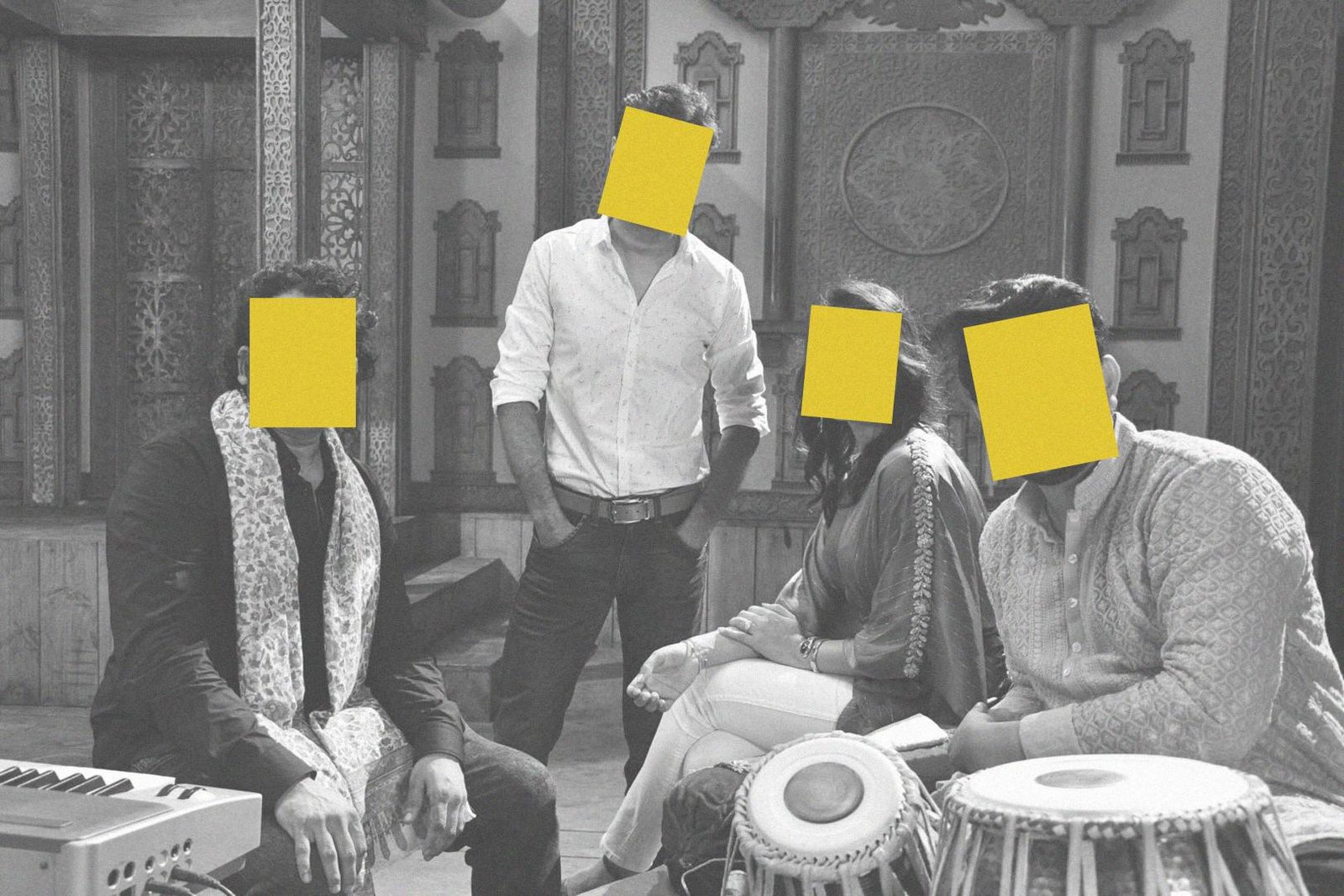
The first few months of lockdown. Sitting in a dormitory in London , Purbish Thacher, a UCL biochemical engineering student, was live-streaming songs by a couple of well-known musicians on Instagram. There was no grand plan behind it, just a feeling of unease that there was no proper home on the internet for South Asian ghazals and Sufi music. Six years later, the channel that was born from that simple urge is called SufiScore, and its subscriber count is now close to thirteen million.
Ghazals originated in the 7th century Arabic poetry, were perfected in Persian literature by Rumi and Hafiz, and then, one could say, were given their final form in Urdu by Ghalib. But in the first two decades of the 21st century, this genre had somehow become marginalized, and in the crowd of Bollywood item songs and Punjabi pop, ghazals had become almost like museum exhibits. Purbish's plan was simple: if this music could be brought to the language of Instagram reels and YouTube shorts, then maybe the younger generation would listen. He was doing the work alone in the beginning, from contracts to editing. Artists want to work with Sufiscore because "there is no red tape, no drama". This simplicity is probably the real weapon. Where big labels are stuck in legal complications for months, Sufiscore takes a song from recording to release in a week.

The shiny seal of Abbey Road and the relationship of ghazals with Bengal
The transition from a mere YouTube channel to a record label happened quickly. By late 2020, Sufiscore had started mastering several of their releases at the legendary Abbey Road Studios, where bands like the Beatles used to record. Flutists Paras Nath and Santosh Mulekor’s instrumental version of “Desert Rose”, Shafqat Amanat Ali’s album dedicated to Ghulam Ali, and Chitra Singh’s classic reworking with Prithibha Singh Baghel’s vocals, all came one after the other. Stars like Atif Aslam, Arijit Singh, Shreya Ghoshal, Hariharan also joined the platform.
An interesting case in point is the reworking of Dag Dehlvi’s famous ghazal “Uzar Aane Mein,” in which Farida Khanum’s timeless rendition is reimagined in a new generation’s voice and arrangement. In the words of a Sufiscore representative, the aim was to “keep the old tradition alive while making it evergreen.” The politics of this reworking are intriguing, as the revival of memory takes precedence over originality. The older generation of listeners find their nostalgia, the new generation gets a new packaging of a familiar tune.
Here a question naturally arises, why do Bengali listeners enjoy Urdu ghazals so much, when not everyone is supposed to understand the language? In fact, the relationship is not new, it is almost 150 years old. Atul Prasad Sen, the pioneer of Bengali ghazals, mastered the ghazal genre while he was in Lucknow, and transformed it into Bengali with incredible skill. Later, Kazi Nazrul Islam made this genre even more popular, mixing the ghazal genre and Persian-Urdu vocabulary in his numerous songs. In other words, the melody of ghazals is actually not something unfamiliar to Bengali ears, it is part of our own musical memory, only the cover of the language has changed.
The Delhi court also had a significant influence on ghazals. In the 19th century, classical Urdu and Persian ghazals began to gain popularity among the Bengali elite through the Nawabs and upper classes of Lucknow and Delhi, India. At that time, when the Nawab of Lucknow, Wajid Ali Shah, was exiled to Calcutta, the practice and audience of ghazals began to develop in Bengal through the musicians of his court.
Ghazals are also deeply connected to Sufi practices in Bangladesh. Ghazals are sung in many Khankas during jikir, and their influence is evident in traditions like Moyzbhandari music . In medieval Bengal, Sufi poets used to convey Islamic philosophy to the common people by composing Hamd, Naat and Ghazals, and this tradition still survives in the rural Qawwali and Baul-Faqiri circles. As a result, when a digital platform like Sufiscore spreads Ghazals and Sufi music worldwide through YouTube, Bangladeshi listeners find an old familiar tune in it.
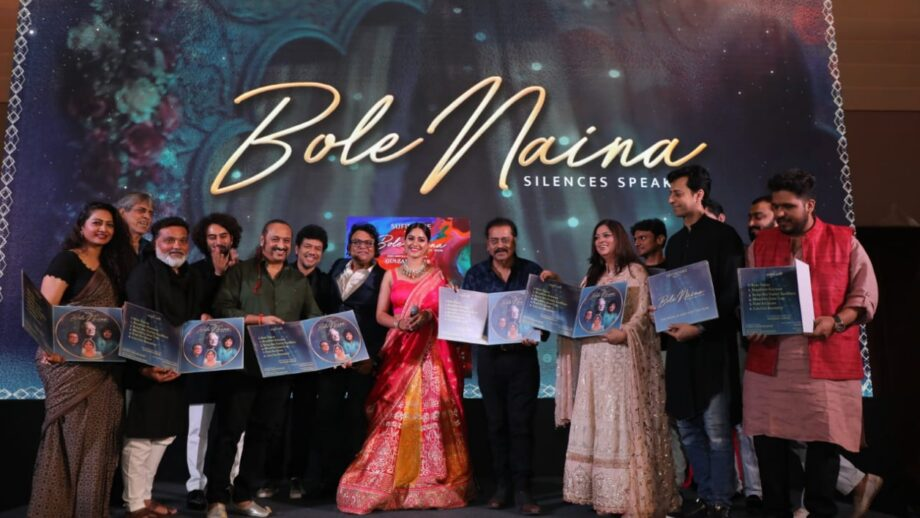
Audience
Sufiscore had around 3.8 million subscribers in its first year . Within a year, it had surpassed 4 million, and the channel had entered the top 20 on UK YouTube. By 2026, that number was around 13 million. If this growth graph could be plotted in a straight line, it would show how a project born from the loneliness of a pandemic has gradually transformed into a global cultural institution, where a young entrepreneur, sitting in London, is connecting audiences in Mumbai, Karachi, Dubai, and Dhaka.
But numbers don't measure everything. A perusal of the YouTube comments section reveals a tone of gratitude, with expatriate viewers often writing that the channel has reconnected them with the music of their grandparents' generation. It's important to understand this emotion, because it's what really explains why a "niche" has been able to break into the mainstream so quickly. Algorithms may set the conditions for going viral, but the depth of emotion determines who will watch a video three times and who will simply scroll away.
The question now is, are platforms like Sufiscore really “saving” ghazals, or are they simply creating an easy-to-read, Instagram-friendly version of them, where the complexity and philosophical depth of the original poetry are lost in the pressure of a three-minute reel? The debate is ongoing among music critics as to how much of the meditative silence that was present in the original performances by Farida Khanam or Mehedi Hasan survives in the flashy visuals and fast-paced arrangements of the new production.
If ghazals truly survive in the next generation, then perhaps a part of their achievement will be owed to that lonely boy during lockdown, who understood that a lost genre needed not only love, but also a proper digital address.