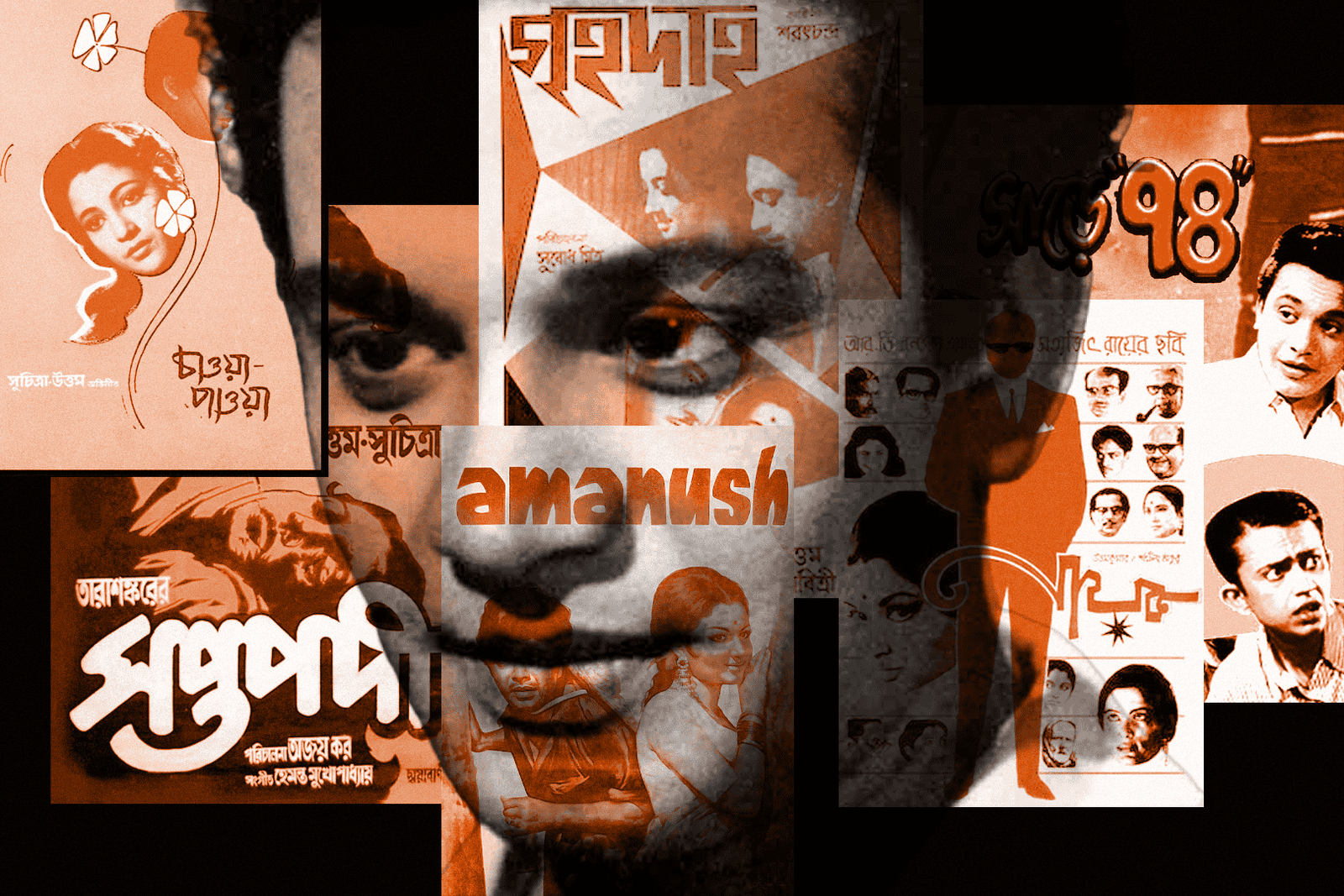
September 3, 1926. Arun Kumar Chatterjee was born 100 years ago into a middle-class family in Kolkata. We now know him as Uttam Kumar. Even 46 years after his death, in 2026, on his birth centenary, the memories and events surrounding him from Kolkata to Bangladesh show that 'great hero' is not an old title. It is a character that survives in the cultural memory of Bengalis. Uttam Kumar died in 1980 at the age of 53. But his films do not stop. New audiences have seen his films, old audiences have seen them again, and the characters he played have gradually begun to take on a life of their own, surpassing the actor.
The simplest explanation for his popularity is perhaps Suchitra Sen. Their pairing changed the romantic imagination of Bengali cinema in such a way that even today it is difficult to think of the two separately. But Uttam Kumar cannot be understood only through his lover Uttam. He was a comedian, an adventure hero, a failed man, an actor of dark characters, and even an artist who could satirize his own stardom. So these ten films are a good start to revisit his cinema on his birth centenary.
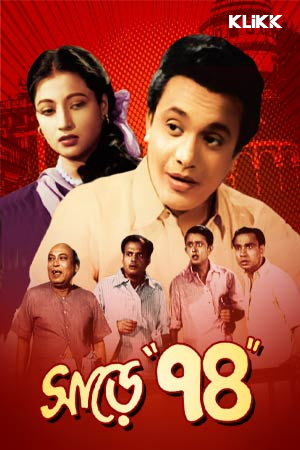
1. Seventy-Four and a Half (1953)
Where did the pair of Uttam Kumar and Suchitra Sen start? This film answers the question. Directed by Nirmal Dey, Sade Chuvattto is basically a comedy film. The arrival of a young woman in a mess in Kolkata, and the various antics of the mess residents surrounding her. But the historical importance of the film is greater than the story. From here, Bengali cinema got a pair whose on-screen chemistry changed the definition of love for the audience for the next few decades. Uttam-Suchitra acted in about 30 films together; Sade Chuvattto was the beginning of that long journey. If you want to see Uttam Kumar not just as a 'mahanayak', but from the very beginning of his rise to stardom, you have to watch Sade Chuvattto.
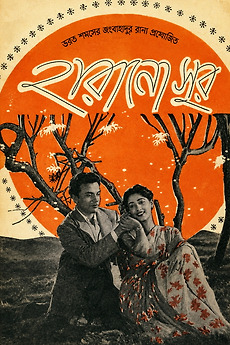
2. Lost Tunes (1957)
A man loses his memory after an accident. Another woman enters his life. Then an emotional drama is created between acquaintance, separation, memory and love. Ajay Kar's Harano Sur is an important document of the popularity of the Uttam-Suchitra pair at that time. But the film survives even today not only because of nostalgia. Uttam Kumar's acting here combines star power and character weakness. And the song 'Tumi Je Amar' has made the film even more memorable. You have to watch Harano Sur to understand the language of Uttam Kumar becoming a romantic hero.
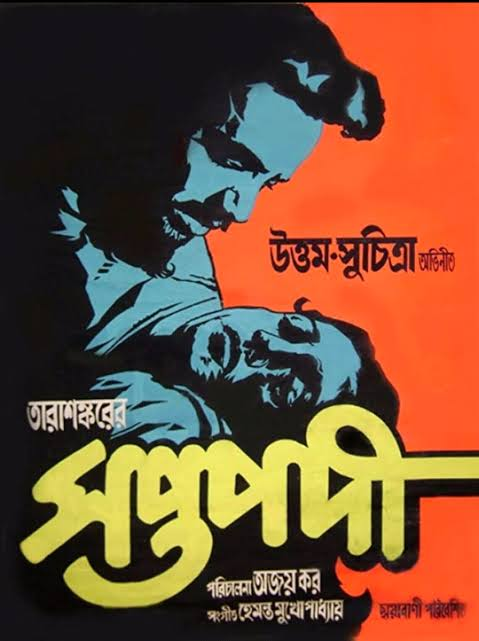
3. Saptapadi (1961)
Krishnandu and Reena Brown. Two people of different religious and cultural identities. Their love could have been easy, if society had been that easy. Ajay Kar's Saptapadi goes beyond the boundaries of the popular love film of Uttam-Suchitra. Here, religion, social identity, faith and self-sacrifice are associated with love. As a result, it is not just a romantic film; it becomes an important document of love and social restrictions in popular Bengali cinema. Saptapadi is one of the films of the Uttam-Suchitra pair that later gained cult status. You have to watch Saptapadi to understand why Uttam-Suchitra was not just a popular pair, but became a cultural fantasy.
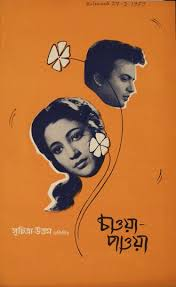
4. Wanting and Receiving (1959)
We usually remember Uttam Kumar as a romantic hero. But his comedy skills were also extraordinary. Chaaya-Pawa is a beautiful example of that. In this film by Tarun Majumdar, there is love, misunderstandings, and the game of two people getting to know each other. The relationship between Uttam and Suchitra is much lighter here, much more fun. You have to watch Chaaya-Pawa to see Uttam Kumar's comedy timing and innate screen appeal.
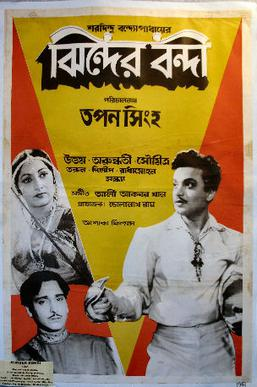
5. Prisoner of Jhind (1961)
One of the great secrets of Uttam Kumar's popularity was his versatility. Tapan Singh's The Prisoner of Zenda is proof of that versatility. In the Bengali adaptation of Alexander Duma's The Prisoner of Zenda, Uttam Kumar is seen in a completely different setting. In the palace, intrigue, conflict and adventure. The value of his work here is not only in the dialogue or romantic presence; Uttam also mastered the physicality and drama required in the character. You will see in Jhinder Bandi that the hero was not just a love hero.
6. Nayak (1966)
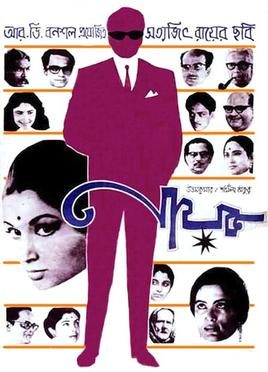
This is probably the most important film on this list. In Satyajit Ray's Nayak , Uttam Kumar plays the role of a popular film star named Arindam Mukherjee. Through his conversation with a journalist on the train from Kolkata to Delhi, another side of the star's life gradually opens up. The fear, regret, guilt and loneliness hidden behind success. The most wonderful thing about the film is that Satyajit Ray is making a film about an actor who was himself the biggest star of Bengali cinema at that time. As a result, the hero is simultaneously the story of a character and the story of entering the star culture. Uttam Kumar's performance here is far from his romantic image. This film is the most clear way to see how deep an actor can be behind the scenes of popularity. If you want to see Uttam Kumar not as a 'star' but as an 'actor', this is a first-rate film.
7. Anthony Feringi (1967)
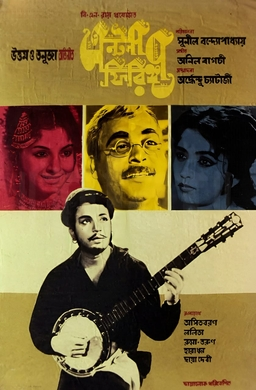
Another important aspect of Uttam Kumar is seen in Anthony Firingi . Here he plays the role of a Portuguese-born poet named Anthony Firingi. The film also raises questions of identity and acceptance through the story of how a man of European descent makes his place in the world of Bengali language, culture and poetry. The character was a big change for Uttam Kumar. The well-known handsome hero changes his usual body language and star image a lot here. You can watch Anthony Firingi to understand the range of Uttam Kumar's character acting.
8. House Fire (1967)
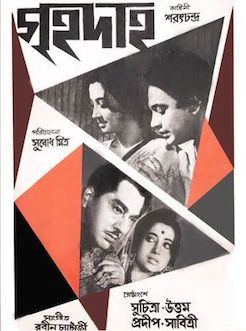
Uttam Kumar is seen in the role of Suresh in Ajay Karer's Grihdaah , based on the novel by Sarat Chandra Chatterjee. On one side is deep friendship, on the other is love and marriage. The tension between these three creates a complex story of relationships. Uttam's performance with Suchitra Sen and Pradeep Kumar sets the film apart from his usual romantic movies. To go beyond the popular Uttam-Suchitra chemistry and see Uttam Kumar's more restrained and character-based performance, you have to watch Grihdaah.
9. Incognito (1971)
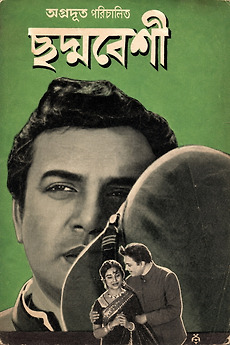
We often forget one aspect of Uttam Kumar's popularity. He was also a very popular comedy actor. In Chhadmbeshi , the laughs revolve around identity, disguise and misunderstanding. Here, Uttam almost single-handedly breaks his serious 'hero' image. Films like this show how flexible his star persona was. He didn't just want to impress the audience; he also knew how to make them laugh. To see Uttam Kumar's lighter, funnier and much more spontaneous side, you have to watch Chhadmbeshi.
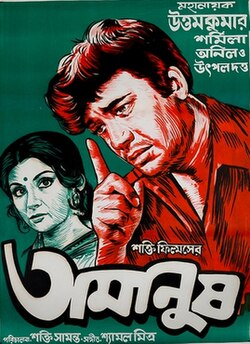
10. Inhuman (1975)
In the seventies, the audience of Bengali cinema was changing. The language of cinema was also changing. Uttam Kumar also started to move beyond his old romantic hero image into new types of characters. Shakti Samanta's Amanush is an important example of that change. In this film with Sharmila Tagore, Uttam is seen in a more difficult, wounded and realistic character. Here he is no longer just the perfect romantic man, whom the audience falls in love with as soon as they see him on screen. Here he is a man who has failures and adversities in his life. Amanush can be seen to understand Uttam Kumar's late star phase and his changed acting language.
So who is Uttam Kumar?
Putting these ten films side by side, we see a strange story of change. The young comedian of 70th Anniversary . The lover of Harano Sur . The hesitant lover of Saptapadi . The adventure-hero of Jhinder Bandi . The character actor of Anthony Firingi . And the star of Nayak , who suddenly questions himself after looking at his mask. This is why calling Uttam Kumar simply 'the most popular hero of Bengal' may be a bit unfair to him. Because there are many popular heroes. But very few people can create a permanent place for themselves in the imagination of people. Uttam Kumar did it.
He died on July 24, 1980. He was 53. More than four decades have passed since then. Yet on September 3, 2026, a hundred years after his birth, his pictures, posters, memorials, exhibitions will once again be on the streets of Kolkata. His movies will once again be in theaters. His name will once again be in newspaper headlines. Such a comeback is not a common occurrence for a dead person. Perhaps this is because Uttam Kumar is not actually an actor of any one generation. He is part of the Bengali cinema-going memory.